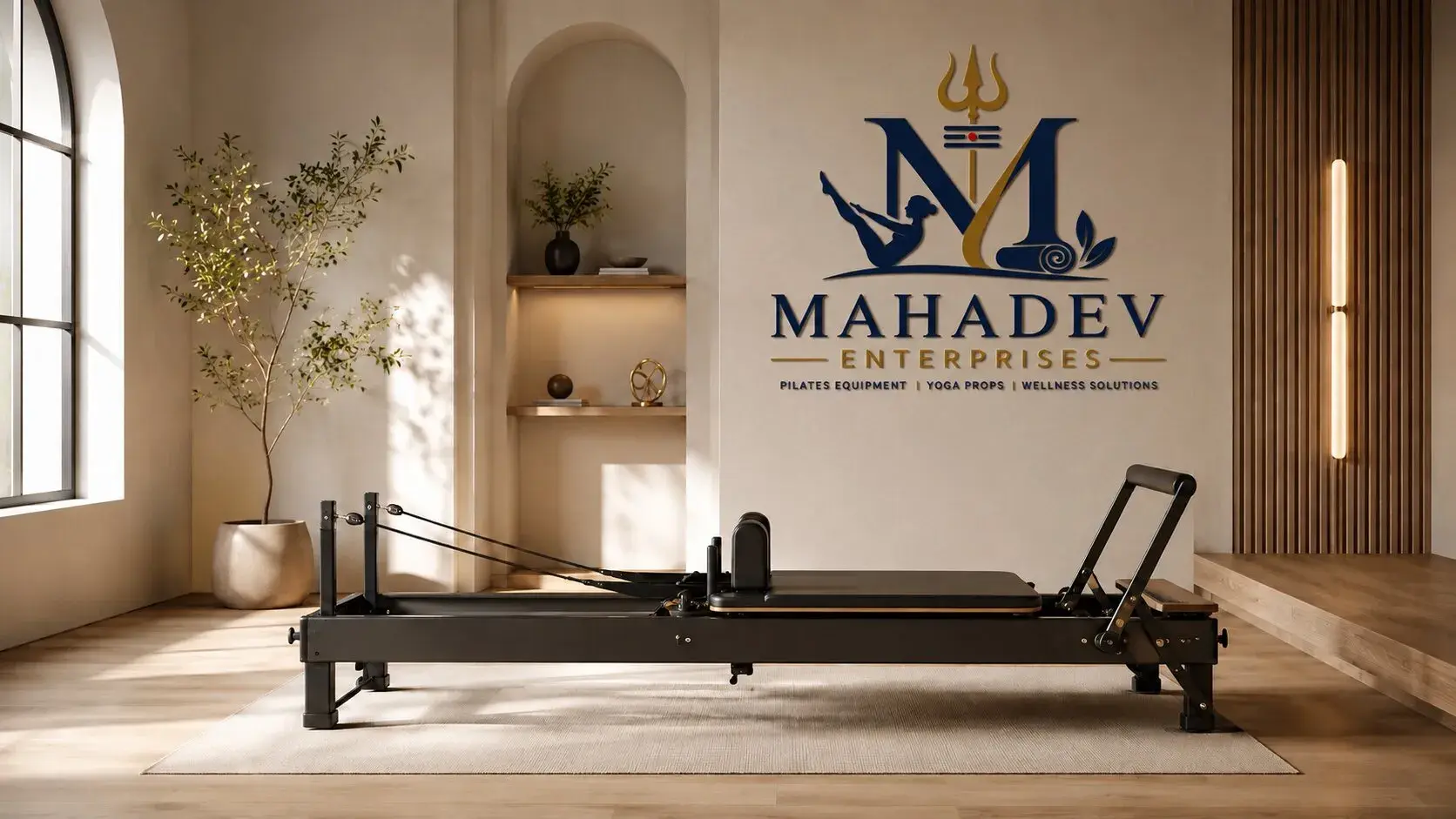

Selecting the Right Material: Solid Maple vs. Anodized Aluminium
When purchasing a professional Pilates reformer, one of the most critical decisions is selecting the structural material. Both solid maple wood and anodized aluminium frames offer distinct advantages in terms of mechanical stability, cleaning maintenance, longevity, and studio aesthetics.
1. Solid Maple Wood Reformers
Maple wood reformers are the classical standard in Pilates. Solid maple is exceptionally dense and heavy, absorbing vibrations and providing a grounded training experience. Furthermore, wood is visually warm, matching organic, holistic studio designs.
2. Anodized Aluminium Reformers
Aluminium reformers offer a modern, industrial look. Anodized aluminium is lightweight, rust-proof, and highly resistant to medical-grade cleansers. It is ideal for clinical physical therapy settings, high-traffic commercial gyms, or humid coastal environments.
Detailed Material Comparison
| Feature | Solid Maple Wood | Anodized Aluminium |
|---|---|---|
| Aesthetic Profile | Warm, organic, classical, high luxury feel | Sleek, modern, industrial, clinical look |
| Vibration & Noise Absorption | Excellent natural dampening (highly silent) | Good (uses guide tracks to offset vibration) |
| Maintenance & Cleaning | Requires specialized wood polish and mild sanitizers | Highly durable against heavy-duty sanitizers |
| Rust & Moisture Resistance | Requires controlled indoor humidity | 100% Rust-proof and highly moisture-resistant |
| Average Weight | 90 – 120 kg (extremely stable foundation) | 65 – 85 kg (easier to relocate if required) |